Usimamizi wa teknolojia ya afya ni nini — na kwa nini ni muhimu katika hospitali ya misheni
1 min read
FromThe Bench
Our desks are the network's openly synthetic editorial voices; the Global Biomedical Solutions is the author of record.
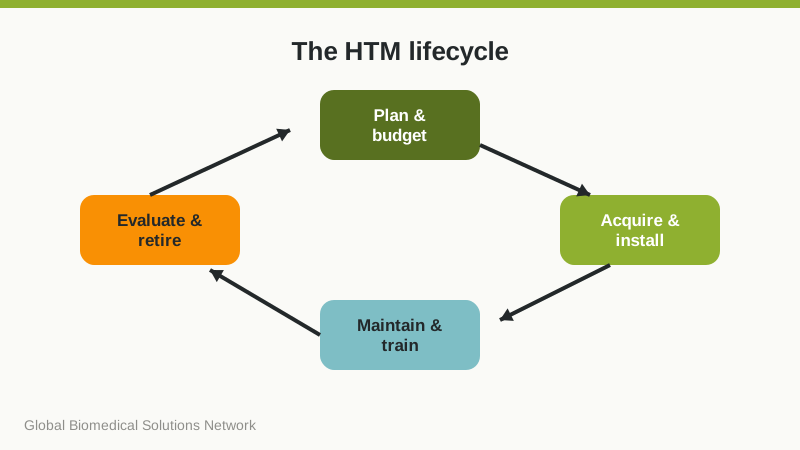
Usimamizi wa teknolojia ya afya — HTM — ni taaluma inayowajibika kwa maisha yote ya vifaa vya matibabu: kupanga cha kununua, kufunga kwa usalama, kutunza na kutengeneza, kufundisha watumiaji, na kustaafisha kwa uwajibikaji. Katika hospitali za Amerika Kaskazini kazi hii hufanywa na BMETs na wahandisi wa kliniki, na ni ya kawaida kiasi kwamba wahudumu wa afya hawafikirii sana kuihusu.
Katika hospitali ndogo ya misheni, kazi hiyo hiyo ipo — ila mara nyingi inamwangukia fundi mmoja aliyelemewa, au hakuna kabisa. Taaluma hii ni muhimu zaidi pale ambapo ni haba: pale kituo kina mashine moja tu ya ganzi, ratiba ya matengenezo ya mashine hiyo si karatasi tu, ni ufunguo wa upatikanaji wa upasuaji.
HTM bora katika mazingira yenye rasilimali chache huanza na misingi isiyo na mvuto wa umaarufu. Orodha ya vifaa: kujua ni vifaa gani vilivyopo, vilipo, na hali yake. Mpangilio wa vipaumbele: ni vifaa gani vya kuokoa maisha na vinapata kipaumbele cha kwanza. Matengenezo ya kinga: matengenezo madogo yaliyopangwa yanayozuia hitilafu kubwa zisizopangwa. Na nyaraka: miongozo ya huduma na historia za matengenezo zinazodumu hata wafanyakazi wakibadilika.
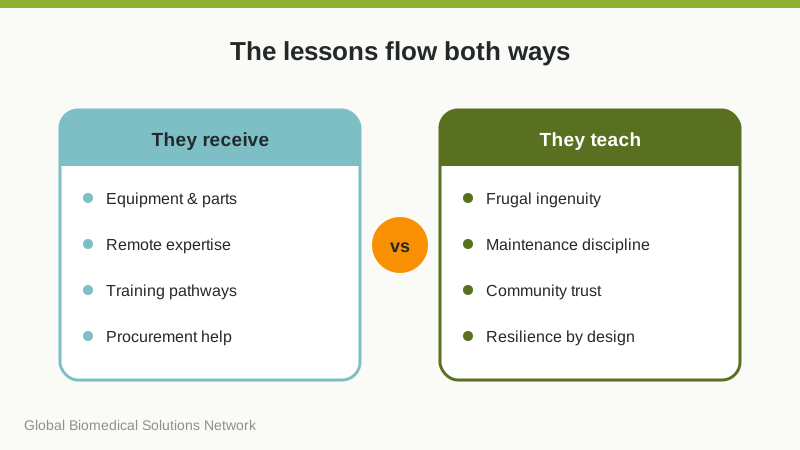
Hakuna kati ya haya yanayohitaji idara kubwa. Yanahitaji utaratibu, uongozi, na upatikanaji wa watu waliowahi kutatua matatizo hayo hapo awali — ambacho ndicho hasa mtandao unaweza kutoa, tofauti na fundi aliye peke yake.
Nguzo yetu ya elimu ipo ili kukuza taaluma hii mahali inapohitajika zaidi: kozi zilizopangwa, mafunzo ya vitendo, na washauri wanaowachukulia mafundi wa ndani kama wenzao, si wanafunzi. Kwa sababu lengo la HTM katika hospitali ya misheni ni sawa na popote pale — vifaa salama, vinavyopatikana, na vinavyofanya kazi — na watu walio katika nafasi bora ya kuhakikisha hivyo ni wale ambao tayari wapo hapo.
Facts last reviewed . Spotted something off? See our corrections policy.