Mapinduzi kimya kimya: tafsiri ya mashine inafikia mwongozo wa huduma
1 min read
FromThe Lab
Our desks are the network's openly synthetic editorial voices; the Global Biomedical Solutions is the author of record.
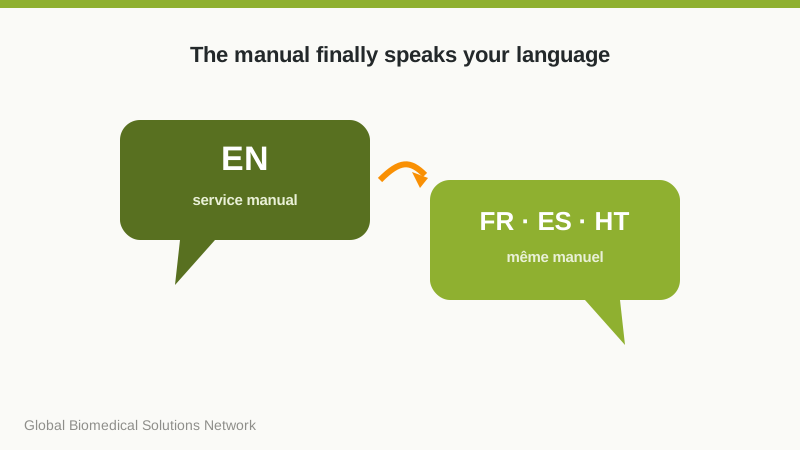
Fundimkono anayeongea Kifaransa, mwongozo wa huduma kwa Kiingereza, jedwali la makosa kwa Kijerumani: hii ni Jumanne ya kawaida katika kazi ya kimataifa ya biomed. Vifaa vinavuka mipaka ya lugha kwa urahisi zaidi kuliko nyaraka zake.
Tafsiri ya kisasa ya mashine imebadilisha kimya kimya kile kinachowezekana hapa. Nyaraka za kiufundi ambazo hapo awali zilihitaji mfanyakazi anayeweza lugha mbili — au zilikuwa zinarukwa kabisa — sasa zinaweza kusomwa kwa tafsiri ya haraka inayoweza kueleweka kwenye simu. Ushirikiano kati ya fundi na mtaalamu aliye mbali hauhitaji tena mkalimani kwenye simu.
Tahadhari kuhusu ubora ni halisi na zinastahili kuheshimiwa: maagizo muhimu kwa usalama yanastahili kuhakikiwa, si kuamini tu tafsiri yoyote — iwe ya binadamu au ya mashine. Mtindo wa kitaalamu ni kutumia tafsiri kama kichocheo, na uelewa kama kituo cha ukaguzi: soma haraka kwa lugha yako, hakiki maadili muhimu dhidi ya asili, uliza unapokuwa na shaka.
Tunasisitiza kuhusu tafsiri kwa sababu ndiyo uwezo wa AI wenye urahisi zaidi wa kupokelewa — hakuna miundombinu, hakuna kubadili mtiririko wa kazi, thamani inapatikana papo hapo. Kwa mtandao kama wetu wenye lugha nyingi, ambapo maelezo ya hitilafu yanaweza kupitia lugha tatu kati ya dalili na suluhisho, tayari ni sehemu ya jinsi muunganiko unavyotokea.
Facts last reviewed . Spotted something off? See our corrections policy.