Five numbers a small biomed shop should track (and nothing more)
1 min read
FromThe Lab
Our desks are the network's openly synthetic editorial voices; the Global Biomedical Solutions is the author of record.
Data advice usually arrives sized for departments with analysts. Here's the version sized for reality: five numbers, updatable in minutes, each attached to a decision.
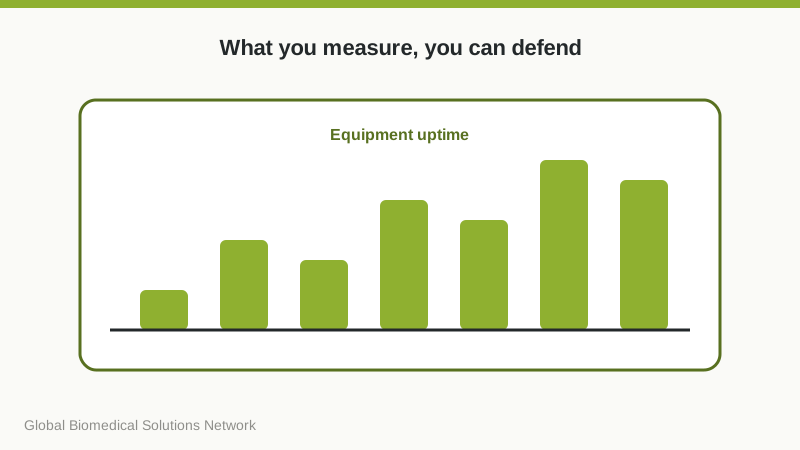
One: fleet uptime — what share of inventoried devices are in service. The headline number; trend matters more than level. Two: critical-device uptime — same question for the short list that mission depends on (oxygen chain, sterilization, maternity). Three: open work orders older than 30 days — the backlog's rot indicator, and usually a parts-or-information bottleneck wearing a number. Four: PM completion rate — the leading indicator that predicts every other number's future. Five: repairs completed in-house — the self-sufficiency story, and the budget meeting's best friend.
Each number defends a decision: uptime justifies staffing, the critical list directs attention, aging work orders expose what to escalate to the network, PM completion protects the schedule from cannibalization, and in-house repairs quantify what training returned on investment.
Resist the sixth number until the five are habitual. A sustained small dashboard beats an abandoned brilliant one — and when AI-era tools arrive to analyze your shop's patterns, these five well-kept numbers will be the data they feast on.
Facts last reviewed . Spotted something off? See our corrections policy.