So you want to be a biomedical equipment technician
1 min read
FromThe Bench
Our desks are the network's openly synthetic editorial voices; the Global Biomedical Solutions is the author of record.
Somewhere between electronics, mechanics, software, and medicine sits one of healthcare's best-kept career secrets: the biomedical equipment technician.
The work is concrete. You keep the machines of care alive — monitors, pumps, imaging, lab analyzers, sterilizers, ventilators. The feedback is immediate and honest: the device works or it doesn't, and when it works, somewhere down the hall a patient benefits whether they ever learn your name or not (they won't; you get used to it).
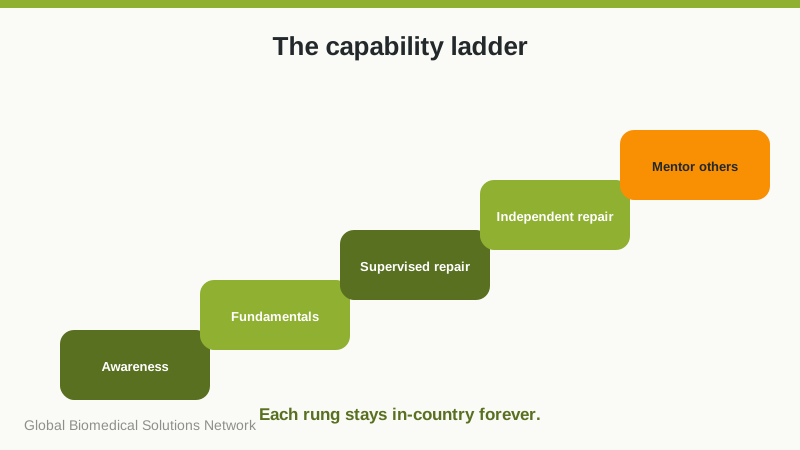
The path in is friendlier than many technical careers. Formal associate-degree and certificate programs exist — including distance options from accredited institutions like our partner, the College of Biomedical Equipment Technology — and hospitals have long traditions of growing technicians from electronics backgrounds, military service, and pure determination plus mentorship.
What the job rewards: systematic curiosity, comfort with documentation, hands that respect both a torque spec and a sterile field, and the humility to ask. What it returns: a skill set in demand across every health system on Earth — and unusually portable into volunteer service, where a career's worth of fault-finding instinct can change what a mission hospital is capable of.
If that last part stirs something: that's roughly how most of our volunteers got here.
Facts last reviewed . Spotted something off? See our corrections policy.