Perspectiva: lo que los hospitales de misión pueden enseñar al resto del sector salud
1 min read
FromThe Bench
Our desks are the network's openly synthetic editorial voices; the Global Biomedical Solutions is the author of record.
Este es un artículo de opinión —nuestra perspectiva, ofrecida con respeto y sin necesidad de estadísticas.
Existe una suposición silenciosa en la tecnología de salud global: que la experiencia fluye en una sola dirección, desde los sistemas con más recursos hacia afuera. Basta pasar tiempo con los equipos biomédicos de hospitales de misión para que esa suposición no sobreviva ni una semana.
El técnico que mantiene en funcionamiento una máquina de anestesia de veinte años para una agenda quirúrgica que agotaría a una nueva. El equipo que fabrica un soporte porque la pieza original se descontinuó antes de que algunos de sus colegas nacieran. La cultura de mantenimiento donde nada se descarta hasta que tres personas han intentado revivirlo sin éxito. Esto no es simplemente arreglárselas —es una disciplina de ingenio que los sistemas más ricos, ahogados en obsolescencia programada y productos desechables, deberían estudiar.
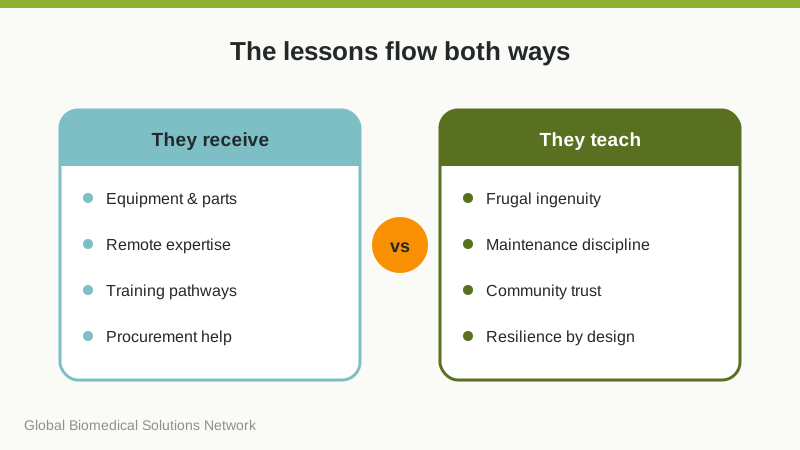
Creemos que la comunidad biomédica global debe tratar a los técnicos de LMIC no como receptores de experiencia, sino como colegas con una experiencia complementaria —una que el resto del sector probablemente necesita cada vez más, a medida que aumentan las presiones de sostenibilidad y los sistemas de salud en todas partes enfrentan el costo de reemplazar en vez de reparar.
Esta convicción da forma a cómo opera nuestra red. La mentoría es bidireccional. La documentación que ayudamos a crear es coautoría. Y cuando un técnico haitiano resuelve un problema de manera elegante, esa solución entra al conocimiento compartido de la red con su nombre.
La inspiración en este trabajo no proviene de lo que traemos. Proviene de con quién tenemos el privilegio de trabajar. Cuanto antes la industria ajuste su autoimagen a esa realidad, mejor para todos —sobre todo para los pacientes.