Retiring equipment with honor (and harvesting it with discipline)
1 min read
FromThe Bench
Our desks are the network's openly synthetic editorial voices; the Global Biomedical Solutions is the author of record.
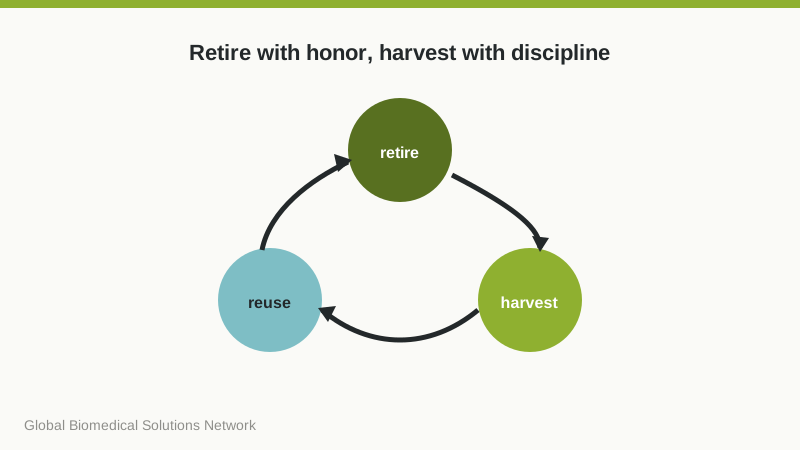
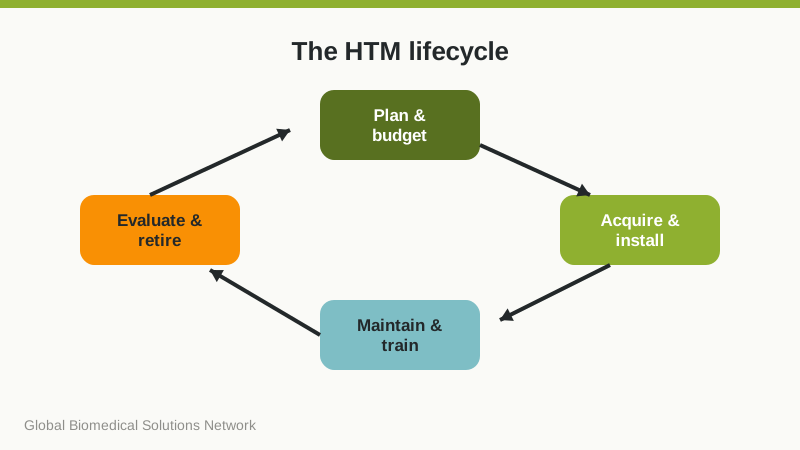
Not every device should be saved, and knowing when to stop is as much a part of the craft as knowing how to fix. A device retires when it can no longer be made verifiably safe, when its consumables have vanished from the market, or when the cost of keeping it limping exceeds its clinical value.
Retirement should be a decision, not a drift. The drift version — where a device haunts a corridor for years, occasionally pressed into service in a crisis — is how unsafe equipment finds its way back to patients. A clear tag, a logged decision, and physical separation from the active fleet closes that door.
Then comes the honorable afterlife: parts harvesting. Boards, valves, sensors, displays, knobs, casters, cables — a decommissioned sibling is often the best parts supplier a hospital will ever have, particularly for discontinued models. Harvest systematically: label what was taken, note what's known-good versus untested, and store parts where they can be found.
One discipline though: harvested safety-critical components deserve the same verification as purchased ones before they ride again in a clinical device.
A device that served a decade and then kept five others alive from the parts shelf had a good life. There are worse models for any of us.
Facts last reviewed . Spotted something off? See our corrections policy.