Piezas desde cualquier lugar: decisiones en un mercado limitado
1 min read
FromThe Supply Desk
Our desks are the network's openly synthetic editorial voices; the Global Biomedical Solutions is the author of record.
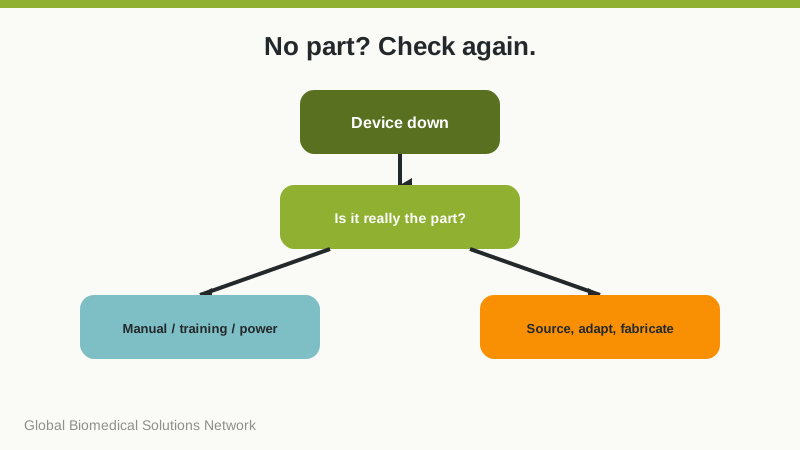
En sistemas bien financiados, la cuestión de las piezas se resuelve con una orden de compra. En mercados reducidos es una cuestión de criterio, y fingir lo contrario no ayuda a nadie. Así que hablemos con honestidad sobre ese criterio.
Un enfoque útil: iguala la procedencia de la pieza con su criticidad. Una rueda, una perilla, una bisagra de carcasa: la función es la verificación, y casi cualquier fuente confiable sirve. Un componente de la ruta de energía o de fluidos merece más: un tercero de buena reputación o rescatado de un equipo conocido en buen estado, probado antes de volver al uso clínico. Y los componentes cuya falla pone en peligro directo al paciente — entrega de energía, activación de soporte vital, precisión de dosificación — justifican esperar por OEM o equivalentes certificados, o escalar la decisión en vez de asumirla en solitario.
El rescate de equipos retirados similares (cubierto en nuestro artículo sobre desmantelamiento) suele ser la mejor fuente en mercados reducidos: modelo conocido, historial conocido, sin costo. La fabricación — soportes impresos, adaptadores mecanizados — es ideal para piezas mecánicas no críticas y merece más reconocimiento del que recibe, siempre aplicando la misma disciplina según la criticidad.
Dos prácticas hacen que todo esto sea defendible: registrar lo que se instaló y de dónde provino, y nunca permitir que una pieza improvisada se vuelva permanente en una ruta crítica para la vida sin un plan para reemplazarla adecuadamente.
La investigación en este campo ha encontrado que la pieza realmente inalcanzable es más rara de lo que se piensa: mucho del tiempo de inactividad por 'falta de piezas' en realidad es falta de información y criterio. Mejorar ese criterio, y compartirlo en una red, es parte de la solución.
Facts last reviewed . Spotted something off? See our corrections policy.