Warum so viele Medizingeräte ungenutzt bleiben – und was wirklich hilft
1 min read
FromThe Supply Desk
Our desks are the network's openly synthetic editorial voices; the Global Biomedical Solutions is the author of record.
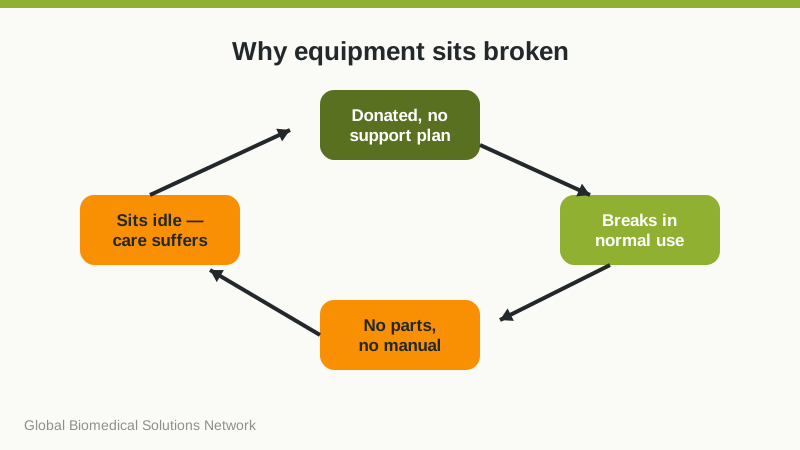
Jeder, der schon einmal durch die Flure eines unterversorgten Krankenhauses gegangen ist, kennt das Bild: Der Lagerraum voller gespendeter Geräte, die niemand installieren konnte, der Inkubator, der monatelang auf ein Ersatzteil wartet, das Bildgebungssystem, das nur funktioniert, wenn der eine Techniker mit dem nötigen Spezialwissen Dienst hat.
Forschung bestätigt diese Beobachtung. Eine vielzitierte, begutachtete Analyse von Lara Perry und Robert Malkin (Medical & Biological Engineering & Computing, 2011) untersuchte Bestände von mehr als 112.000 Medizingeräten in sechzehn Entwicklungsländern und stellte fest, dass etwa 38 % außer Betrieb waren. Ältere Schätzungen, auf die sich die World Health Organization beruft, lagen in manchen Regionen sogar noch höher. Zum Vergleich: Studien in Gesundheitssystemen mit hohem Einkommen zeigen in der Regel, dass nur ein sehr kleiner Anteil der Geräte zu einem bestimmten Zeitpunkt ausfällt.
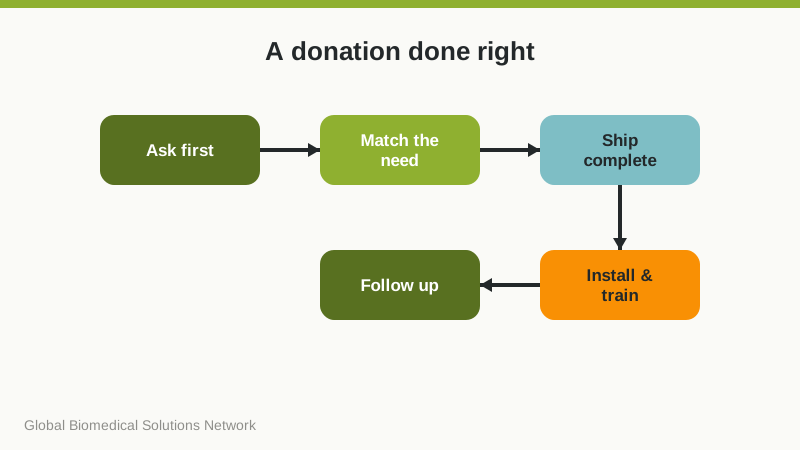
Ebenso wichtig wie das Wie-viel ist das Warum. Die Perry–Malkin-Analyse identifizierte drei Hauptursachen: fehlende Schulung, mangelndes Management von Medizintechnik und Lücken in der Infrastruktur – nicht ein Mangel an klinischem Bedarf oder lokalem Engagement. Die WHO schätzt zudem, dass in einigen Entwicklungsländern der Großteil der Medizintechnik als Spende ankommt – oft jedoch ohne Handbücher, Ersatzteile, Verbrauchsmaterialien oder Schulungen.
Lesen Sie diese Liste noch einmal, denn sie macht leise Hoffnung. Schulungen können vermittelt werden. Technologiemanagement ist eine Praxis, kein Privileg. Spenden können koordiniert werden. Keine der Hauptursachen erfordert neue Erfindungen – sie erfordern, dass vorhandenes Wissen dorthin gelangt, wo es gebraucht wird.
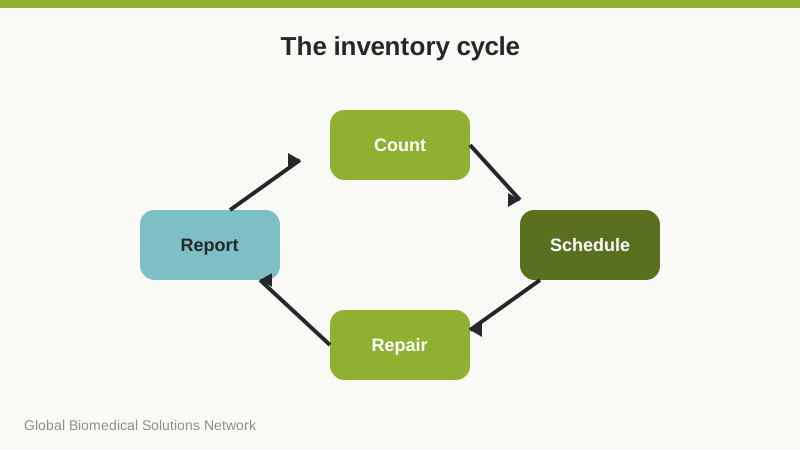
Auf diesem Prinzip basiert unser Netzwerk. Bedarfsanalysen zeigen, was ein Krankenhaus tatsächlich besitzt und was das Team bereits leisten kann. Schulungen bauen Reparaturkompetenz auf, die im Land bleibt. Kommunikation hält lokale Techniker mit Spezialisten in Verbindung, die genau diesen Fehlercode schon einmal gesehen haben. Und Standardisierung der Geräte macht aus dem Spendenstrom einen Plan statt einer Lotterie.
Defekte Geräte sind kein unlösbares Problem. Sie sind ein unverbundenes.
Facts last reviewed . Spotted something off? See our corrections policy.