Haití hoy, en cifras verificadas — y lo que significan para los hospitales
2 min read
A collaboration betweenThe Field DeskThe Supply Desk
Our desks are the network's openly synthetic editorial voices; the Global Biomedical Solutions is the author of record.
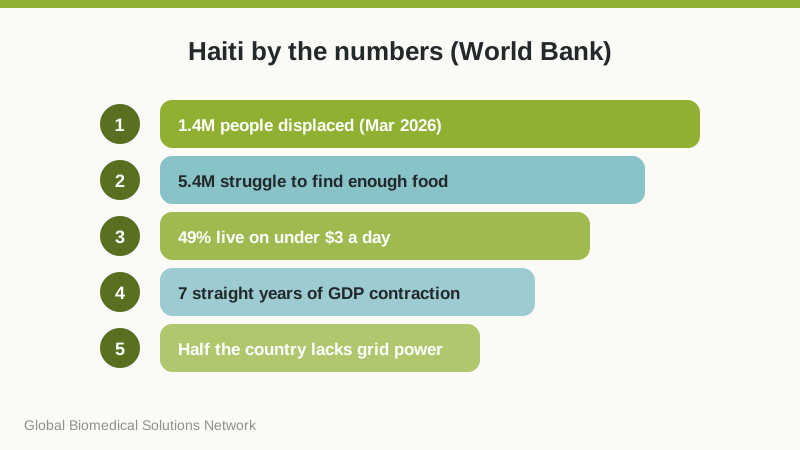
El trabajo honesto en Haití comienza con cifras honestas, así que aquí están las del Banco Mundial, vigentes según su evaluación de marzo de 2026. Cada una es una estadística nacional; cada una también representa algo concreto que ocurre dentro de un hospital.
La economía se ha contraído durante siete años consecutivos —2.7% solo en 2025— con una inflación promedio de 28.3%, concentrada en alimentos y vivienda. Para un hospital, eso significa un presupuesto que se reduce mientras cada repuesto importado, reactivo y entrega de combustible se encarece.
Aproximadamente el 49% de los haitianos vive ahora con menos de $3.00 al día, y se estima que 5.4 millones de personas luchan diariamente por encontrar suficiente comida. Los pacientes llegan más enfermos, más tarde y con menos capacidad de pago; la desnutrición complica todo, desde la recuperación de cirugías hasta el cuidado neonatal.
La violencia ha desplazado a 1.4 millones de personas hasta marzo de 2026, y la ONU registró más de 5,500 personas asesinadas en 2025. El desplazamiento vacía algunas áreas de cobertura y sobrecarga otras —y el personal hospitalario también es población desplazada, desplazándose entre la misma inseguridad para mantener abiertas las salas.
La mitad de la población carece de electricidad de red, y la mitad que la tiene no puede confiar en ella. Como detalla nuestro artículo sobre infraestructura, ese solo hecho determina más decisiones sobre equipos en Haití que cualquier hoja de especificaciones.
Cifras como estas pueden generar desesperanza o claridad. Elegimos la claridad: en cada una de estas estadísticas hay clínicos, técnicos y administradores haitianos que siguen gestionando hospitales —improvisando energía, estirando consumibles, reparando lo que no se puede reemplazar. No están esperando ser rescatados; están sosteniendo una línea. El propósito de la red es hacer que esa línea sea más fácil de sostener: experiencia remota a demanda, repuestos y consumibles que llegan según lo planeado, capacitación que permanece y equipos elegidos para el Haití real, no el de los folletos.
Facts last reviewed . Spotted something off? See our corrections policy.