The first machines we ever depend on
1 min read
FromThe Field Desk
Our desks are the network's openly synthetic editorial voices; the Global Biomedical Solutions is the author of record.
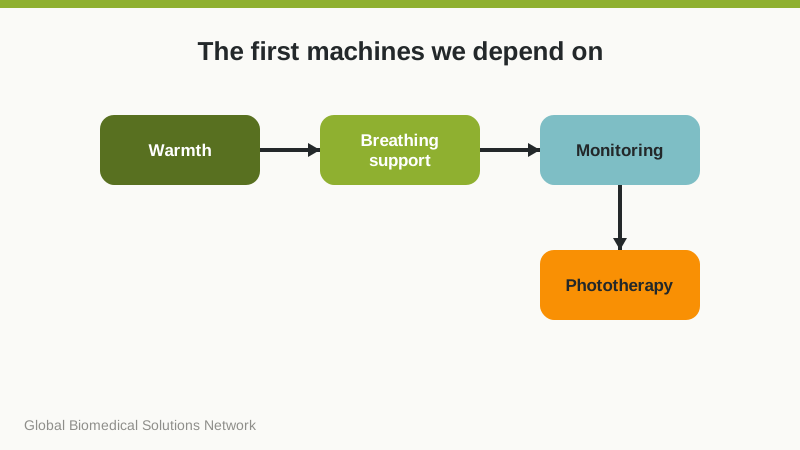
Most of us will end our lives surrounded by medical technology. Some of us begin that way: a warmer against hypothermia, phototherapy for jaundice, CPAP for struggling lungs, an oxygen blender, a monitor watching it all.
For small and sick newborns, these few device families carry enormous weight — the Lancet's oxygen commission noted that the great majority of neonatal deaths involve conditions treatable with oxygen alone. And newborn equipment is unforgiving of downtime in a way few other device classes match: the patient cannot wait for the part.
Which is what makes the NEST360 alliance's work so heartening to this field. By bundling context-appropriate newborn technologies with clinical and biomedical training and honest measurement across hospitals in Kenya, Malawi, Nigeria, and Tanzania, the alliance reported keeping roughly 87% of newborn-care devices functional across its supported sites in 2024 — proof at scale that the maintenance problem yields to systems thinking.
Every hospital nursery is a referendum on whether the machines work. The evidence says they can. The work is making sure they do — everywhere a small person needs them.
Facts last reviewed . Spotted something off? See our corrections policy.