After the surge: stewarding the pandemic's equipment legacy
1 min read
FromThe Field Desk
Our desks are the network's openly synthetic editorial voices; the Global Biomedical Solutions is the author of record.
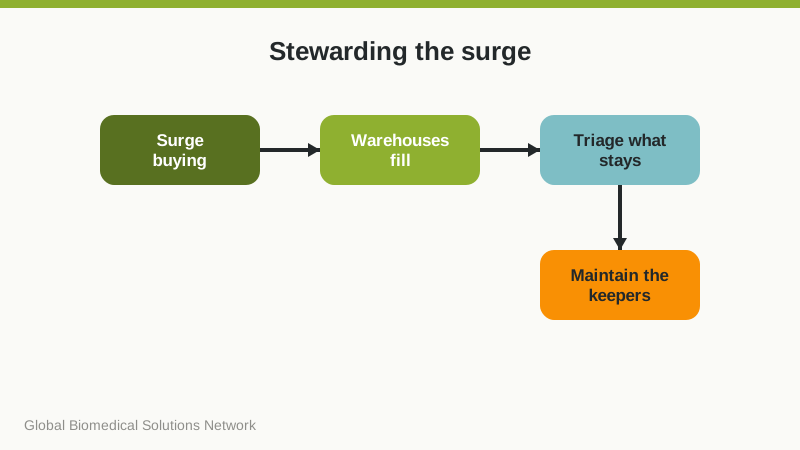
Crises buy equipment that budgets never would. The COVID-19 response moved oxygen concentrators, PSA plants, ventilators, and monitors into health systems at a pace no one had seen — infrastructure that, kept alive, serves pneumonia, surgery, trauma, and newborn care for decades after the emergency that purchased it.
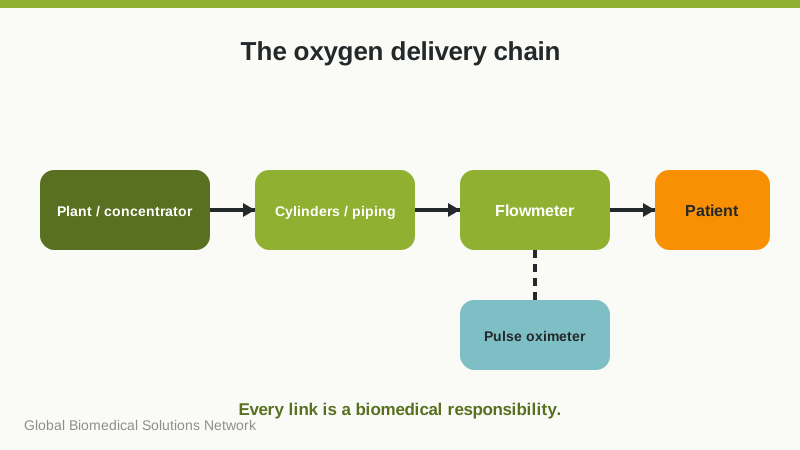
'Kept alive' is the hinge. The Lancet oxygen commission's broader warning applies precisely here: oxygen systems are equipment systems, dependent on maintenance, parts, power, and trained technicians. An emergency-procured PSA plant with no service plan is a countdown, not a capability.
The post-surge to-do list is classic HTM: get the surge assets onto inventories, fold them into preventive maintenance schedules, secure parts and consumable channels before the donor-funded honeymoon ends, and train local technicians on equipment classes many met for the first time in 2020–2021.
Emergencies end; their hardware doesn't have to. Turning surge equipment into permanent capacity is one of this decade's quiet global-health opportunities — and it belongs almost entirely to the biomedical profession.
Facts last reviewed . Spotted something off? See our corrections policy.