Sin energía, no hay salas: la electrificación como infraestructura de salud
1 min read
FromThe Field Desk
Our desks are the network's openly synthetic editorial voices; the Global Biomedical Solutions is the author of record.
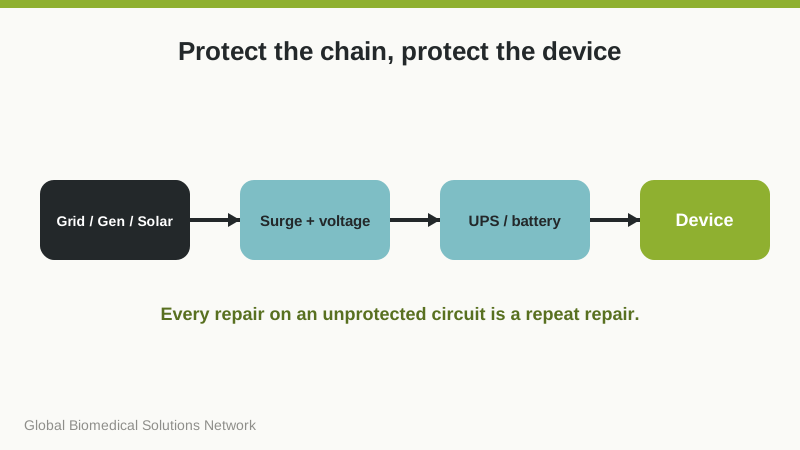
La planificación en salud y la planificación energética surgieron en ministerios distintos, pero en un hospital son el mismo tema. La revisión sistemática sobre electrificación de centros de salud en África subsahariana encontró que solo alrededor de un tercio de los hospitales contaban con electricidad confiable; los cortes eran habituales y la inestabilidad de voltaje dañaba ampliamente los equipos.
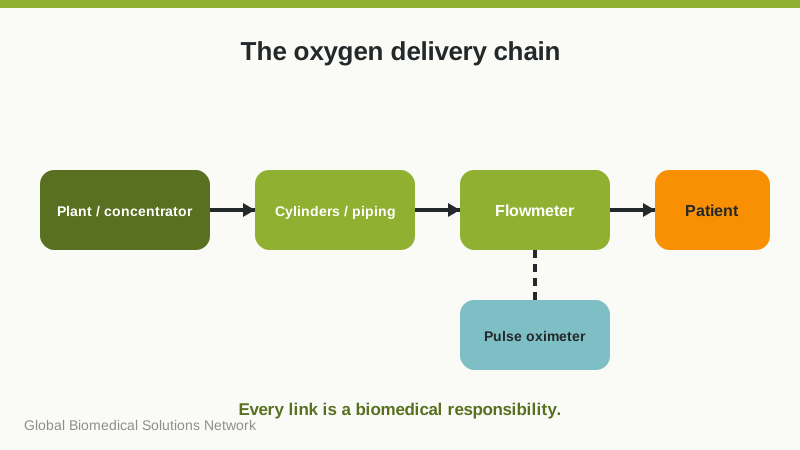
Cada intervención biomédica depende de ese hallazgo. El ecógrafo donado, el nuevo analizador, la planta de oxígeno — todos heredan la red eléctrica a la que se conectan. Los planes de equipamiento que ignoran la energía son solo listas de deseos.
El giro esperanzador es económico: análisis del World Resources Institute y otros han encontrado que la energía solar distribuida con almacenamiento es cada vez más rentable para los centros de salud frente a la dependencia del diésel — convirtiendo lo que era una conversación de ayuda en una conversación de inversión en infraestructura con retornos saludables.
Nuestras evaluaciones consideran la energía como la primera página. No porque seamos una organización energética — sino porque somos una organización de tiempo de funcionamiento, y el primer componente de cada dispositivo es el suministro de electrones.
Facts last reviewed . Spotted something off? See our corrections policy.