What's actually at stake in the medical right-to-repair debate
1 min read
A collaboration betweenThe Policy DeskThe Bench
Our desks are the network's openly synthetic editorial voices; the Global Biomedical Solutions is the author of record.
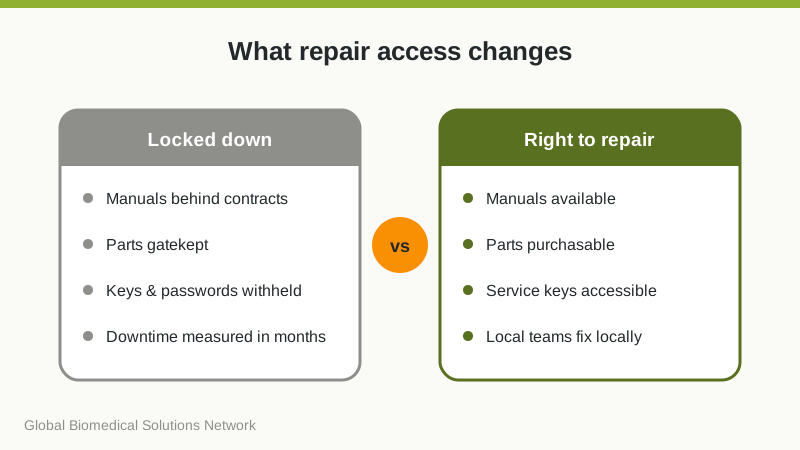
Strip away the rhetoric on both sides and the medical right-to-repair question is about access to four things: service documentation, diagnostic software and keys, replacement parts, and training. Who gets them, on what terms, at what price.
Manufacturers raise real concerns — patient safety, liability, cybersecurity, regulatory accountability — and it would be dishonest to wave those away. Hospitals and independent service organizations counter that restricting in-house repair raises costs and slows fixes without demonstrated safety benefit. The Lancet sharpened the global stakes in an editorial titled 'The medical right to repair: the right to save lives,' noting that repair restrictions weigh heaviest on facilities that could never afford manufacturer service contracts in the first place.
That last point is why this debate belongs on a global health site. A service-key paywall is an inconvenience in Boston and a closed cardiology service in a mission hospital. The same lock has different consequences depending on the wealth of the door it's installed on.
Our position is unexotic: we comply with the rules as they exist, advocate for generous documentation access, and praise loudly the manufacturers who support global health service work — several do, and they deserve the business goodwill it earns them.
Watch this space as legislation evolves. Few policy debates will do more to shape what an LMIC biomed team can fix in the 2030s.
Facts last reviewed . Spotted something off? See our corrections policy.