Gap politik la: lè jenewozite pa gen liv règ
1 min read
FromThe Policy Desk
Our desks are the network's openly synthetic editorial voices; the Global Biomedical Solutions is the author of record.
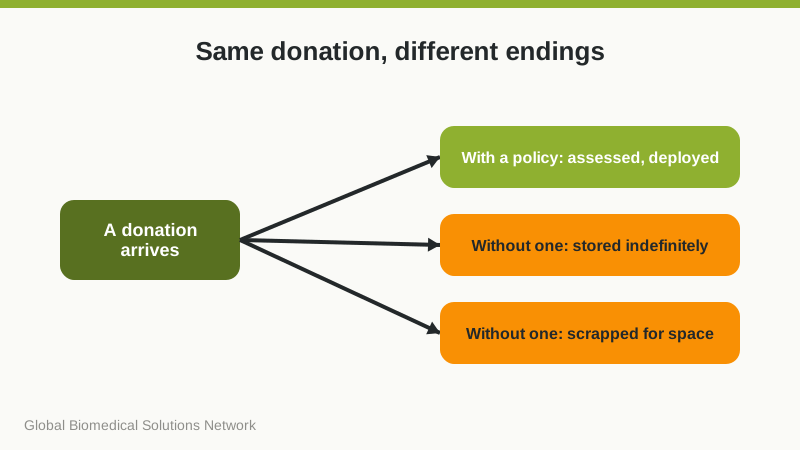
Lè yon veso ki chaje ak ekipman donasyon rive nan yon peyi ki pa gen politik donasyon, tout bagay tounen negosyasyon: sa yo aksepte, kiyès ki ap fè dedwanye, kote l ap ale, kiyès ki responsab lè li kraze. Sondaj WHO sou aparèy medikal te montre sa se nòmal la, pa eksepsyon an — apeprè mwatye nan peyi ki te reponn yo pa gen politik oswa direktiv nasyonal sou donasyon aparèy medikal, epi yon pati ki sanble pa gen direktiv pou akizisyon.
Politik ka sanble abstrè jiskaske ou wè konsekans absans li. San kritè akseptasyon, pa gen anyen ki ka refize avèk respè, kidonk tout bagay ap rive — menm sa ki pa itil. San direktiv pou estanda, chak donasyon ap fragmante flòt nasyonal la yon ti kras plis. San règ pou jete, sa ki pa itil pap janm soti. Depo ki plen ak donasyon ki pa mache yo se, nan yon sans reyèl, yon dokiman politik ki pa janm ekri.
Bon nouvèl la: peyi ki adopte politik klè sou teknoloji sante bay lopital yo yon zouti ki koute prèske anyen epi ki mache nan fwontyè a, kote li pi fasil aji. 'Mèsi, men direktiv nasyonal nou mande manyèl, pyès, ak fòmasyon ak chak aparèy' se yon fraz ki chanje konpòtman donatè yo.
Rezo tankou pa nou an opere andedan nenpòt anviwònman politik ki egziste — men nou bat bravo pou liv règ yo, epi direktiv akizisyon nou fèt pou sèvi kòm yon ranplasman sektè prive kote politik piblik poko rive.
Facts last reviewed . Spotted something off? See our corrections policy.