HTM का उम्रदराज़ होना — और इसमें छुपा वैश्विक अवसर
1 min read
FromThe Policy Desk
Our desks are the network's openly synthetic editorial voices; the Global Biomedical Solutions is the author of record.
यह एक दृष्टिकोण लेख है — एक तर्क, कोई डेटा सेट नहीं।
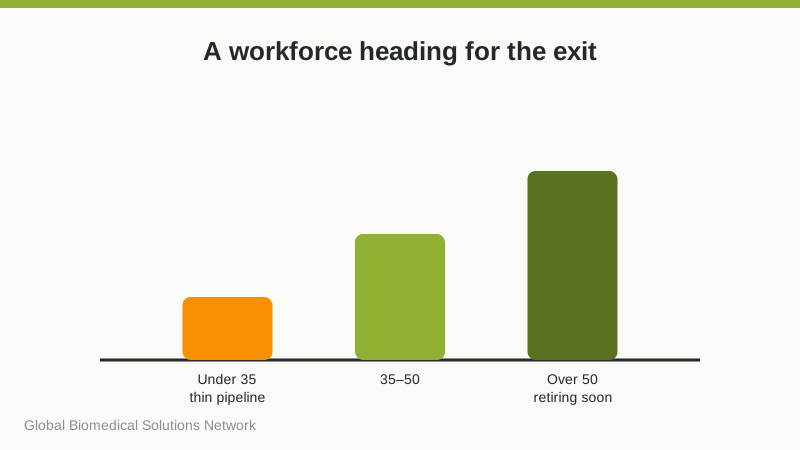
लगभग किसी भी उत्तर अमेरिकी HTM सम्मेलन में जाएँ, आपको वही बातचीत सुनाई देगी: वरिष्ठ पीढ़ी सेवानिवृत्त हो रही है, और दशकों का दोष-खोजने का अनुभव उनके साथ जा रहा है। इंडस्ट्री प्रकाशनों ने वर्षों से वर्कफोर्स की कमी को दर्ज किया है। आमतौर पर इसे संकट के रूप में देखा जाता है।
हम इस संकट के साथ कुछ और भी देखते हैं: अब तक का सबसे बड़ा व्यावहारिक मरम्मत ज्ञान भंडार, जो अब खाली समय में उपलब्ध होने वाला है।
तीस साल के अनुभव वाले सेवानिवृत्त तकनीशियन का इन्फ्यूजन पंप्स का ज्ञान खत्म नहीं होता। जो वे खोते हैं, वह है एक बेंच। मिशन अस्पतालों में कमी प्रेरणा की नहीं है — बल्कि ठीक उसी संचित अनुभव की है, जो अब वीडियो कॉल के अंत में उपलब्ध है। यह मेल लगभग शर्मनाक रूप से स्पष्ट है, और रिमोट वॉलंटियरिंग का मतलब है कि अब इसके लिए पासपोर्ट, टीकाकरण कार्ड या मजबूत पीठ की ज़रूरत नहीं।
कल्पना कीजिए कि यह पेशा अपनी सेवानिवृत्ति लहर को उसी तरह संभाले जैसे एविएशन अनुभवी पायलटों को: प्रशिक्षक, परीक्षक, विफलता के अनुभव साझा करने वाले। एक सेवानिवृत्त पीढ़ी के एक छोटे हिस्से का सप्ताह में एक घंटा देना, बायोमेडिकल ज्ञान का सबसे बड़ा हस्तांतरण होगा — ठीक उसी समय जब प्रशिक्षण अनुसंधान दिखाता है कि ऐसा ज्ञान LMICs में कितना असर करता है।
अगर आप यह एक रिटायरमेंट पार्टी के बाद पढ़ रहे हैं: बेंच अब भी है। बस अब वह और बड़ी हो गई है।