El mito de los repuestos — y la verdadera lucha por el derecho a reparar
2 min read
A collaboration betweenThe Supply DeskThe Policy Desk
Our desks are the network's openly synthetic editorial voices; the Global Biomedical Solutions is the author of record.
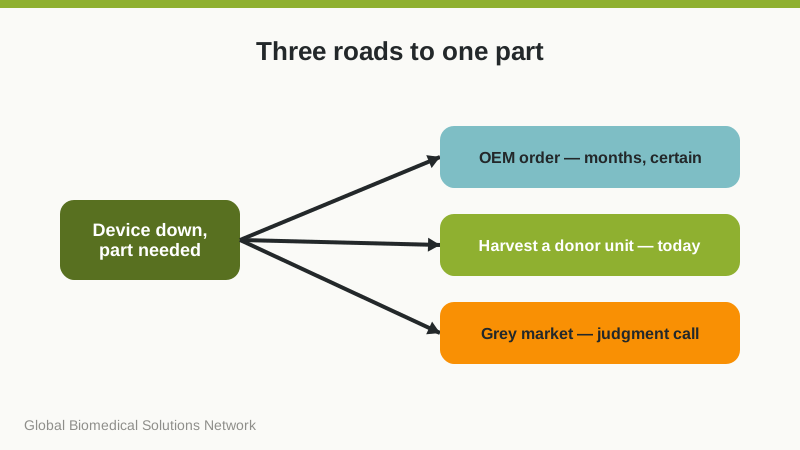
"No podemos arreglarlo — no hay repuestos." Todo profesional biomédico lo ha escuchado, lo ha dicho, o ambas cosas. Pero, ¿con qué frecuencia es literalmente cierto?
Investigaciones del grupo de tecnología sanitaria para países en desarrollo de la Universidad de Duke, publicadas en Expert Review of Medical Devices, analizaron grandes muestras de equipos fuera de servicio en hospitales de países LMIC y llegaron a una conclusión sorprendente: solo una pequeña minoría de los equipos averiados — aproximadamente uno de cada ocho — requería una pieza de repuesto que realmente no podía obtenerse ni fabricarse localmente. Las barreras más comunes eran la falta de manuales de servicio, la falta de capacitación y la ausencia de sistemas para gestionar el trabajo.
Ese hallazgo debería cambiar cómo destinamos nuestra generosidad. Enviar contenedores de repuestos ayuda; compartir documentación de servicio, esquemas y conocimientos de diagnóstico suele ayudar aún más — y eso viaja a la velocidad de un correo electrónico.
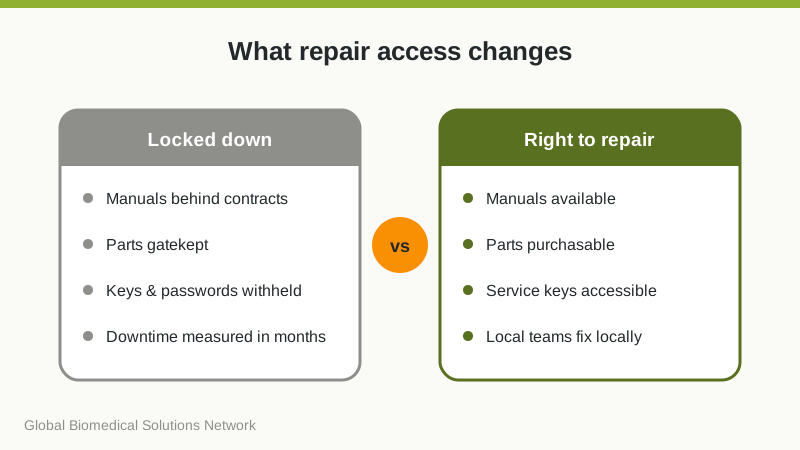
Esto también explica por qué la conversación sobre el derecho a reparar ha llegado a la medicina. Como argumentó The Lancet en un editorial titulado acertadamente 'El derecho médico a reparar: el derecho a salvar vidas', las restricciones que impiden a los hospitales acceder a información de servicio, software de diagnóstico y repuestos afectan más duramente precisamente a los lugares que menos pueden costear contratos de servicio del fabricante.
No vemos esto como una lucha contra los fabricantes — muchos apoyan admirablemente el trabajo en salud global, y las preocupaciones sobre calidad y seguridad en las reparaciones son reales y merecen respeto. Pero sí creemos, claramente, que un hospital que posee un equipo debería poder mantenerlo funcionando, y que el conocimiento para hacerlo de forma segura debería fluir tan libremente como la buena voluntad.
Mientras tanto, la respuesta de la red es práctica: recopilar y compartir documentación de manera legal y generosa, enseñar fundamentos de reparación que se apliquen a distintos modelos, y conectar a los técnicos con especialistas que puedan guiarlos durante la reparación. La mayoría de los problemas de 'no hay repuestos' en realidad son problemas de 'no hay información' — y la información es el único recurso que podemos regalar sin que se agote.
Facts last reviewed . Spotted something off? See our corrections policy.