Diseñado para Ginebra, desplegado en Gonaïves: el problema del contexto en el diseño de dispositivos
1 min read
FromThe Policy Desk
Our desks are the network's openly synthetic editorial voices; the Global Biomedical Solutions is the author of record.
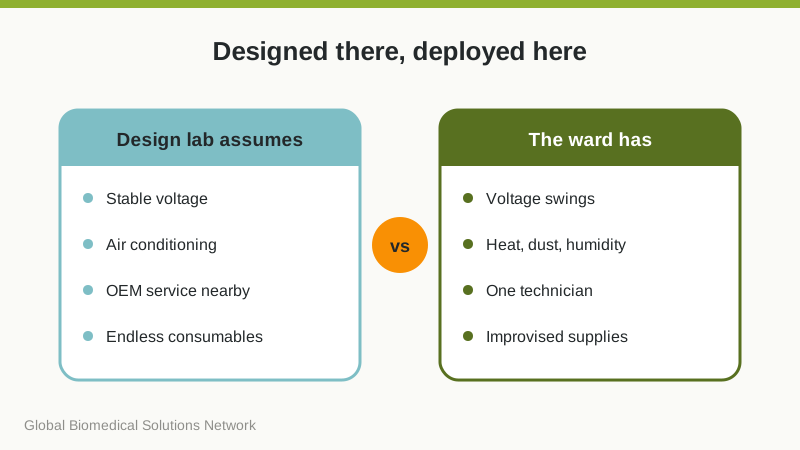
Un dispositivo es un conjunto de supuestos: sobre la calidad de la energía, temperatura ambiente, polvo, humedad, suministro de consumibles, capacitación del usuario y la distancia al ingeniero de servicio más cercano. Los diseñadores rara vez enumeran estos supuestos, pero cada despliegue los pone a prueba — y en gran parte del mundo, los supuestos fallan antes que el hardware.
Investigadores que estudian las barreras de los dispositivos en regiones en desarrollo han catalogado este patrón durante años: equipos diseñados para entornos con clima controlado, red estable y abundante servicio llegan a lugares más calurosos, polvorientos y eléctricamente inestables, y su curva de fallos se ajusta en consecuencia. El dispositivo no está mal hecho; está bien hecho para otro lugar.
El contramovimiento es real y está creciendo. Programas como NEST360 han demostrado lo que sucede cuando la tecnología de cuidado neonatal se selecciona y diseña específicamente para las condiciones hospitalarias africanas y se combina con capacidad biomédica local: equipos que permanecen funcionales a tasas que dejan en evidencia a muchas importaciones. 'Robusto, reparable y a la medida' es ahora una filosofía de diseño con resultados comprobados.
Lo que compradores y donantes pueden hacer hoy: valorar la tolerancia ambiental, la independencia de consumibles y la reparabilidad en las decisiones de selección tanto como las características clínicas. Lo que la industria puede hacer: publicar los supuestos. Una divulgación de 'diseñado para' — rango de energía, rango de temperatura, infraestructura de servicio esperada — costaría un párrafo y ahorraría millones en implementaciones fallidas.
Los dispositivos no fallan al azar en distintas geografías. Fallan donde sus diseñadores nunca imaginaron que funcionarían. Imaginar mejor es una oportunidad del tamaño de toda la industria.
Facts last reviewed . Spotted something off? See our corrections policy.