L’autre extrémité de la filière : les équipements médicaux comme déchets électroniques
1 min read
FromThe Policy Desk
Our desks are the network's openly synthetic editorial voices; the Global Biomedical Solutions is the author of record.
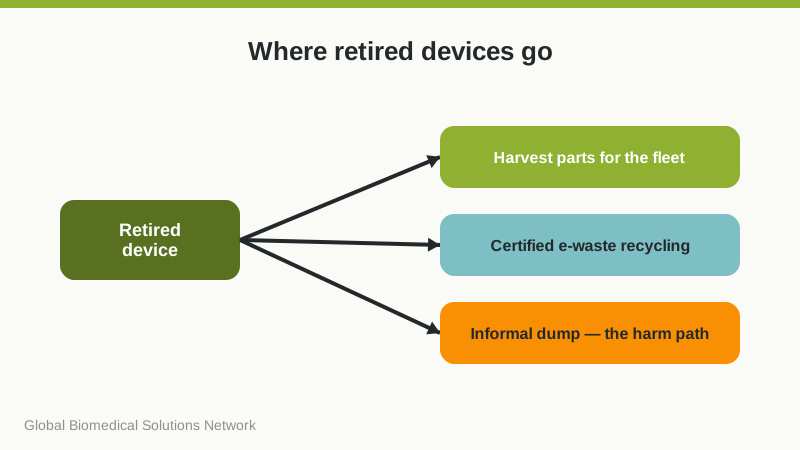
Les discussions sur l’équipement se concentrent sur l’arrivée : achat, don, installation. Mais chaque appareil posera un jour un problème d’élimination, et dans les contextes sans filière formelle de gestion des déchets électroniques, « élimination » signifie trop souvent un tas qui grossit derrière l’hôpital — batteries qui fuient, réfrigérants qui s’échappent, et parfois des composants réellement dangereux laissés à l’air libre.
Les déchets électroniques médicaux présentent des risques particuliers. Batteries et condensateurs, mercure dans les anciens appareils, sources scellées dans certaines catégories d’équipements, réfrigérants dans la chaîne du froid — et de plus en plus, supports de stockage contenant des données patients qui méritent d’être détruits, pas de finir sur un marché de récupération.
Une approche réaliste pour les établissements à ressources limitées est progressive : récupérer légitimement (pièces et matériaux ayant une réelle valeur de réutilisation, documentée), isoler les dangers (batteries, appareils au mercure, systèmes de réfrigération mis de côté selon les filières spécialisées nationales), effacer ou détruire les supports de données selon la politique, et documenter la chaîne pour que l’hôpital puisse prouver la destination de chaque élément. Les donateurs peuvent énormément aider en acceptant la responsabilité de la fin de vie dans les accords de don — les recommandations de don de la WHO vont dans le même sens.
Il est aussi utile de rappeler à quoi ressemble une bonne gestion en amont : chaque décision de standardisation, chaque achat favorisant la réparabilité, chaque prolongation de la durée de vie du parc est une prévention des déchets électroniques en action. Le dispositif le plus écologique est celui qui fonctionne encore.
Facts last reviewed . Spotted something off? See our corrections policy.