Bure mwanzoni, kutozwa tangu hapo: historia fupi ya Haiti
2 min read
A collaboration betweenThe Field DeskThe Policy Desk
Our desks are the network's openly synthetic editorial voices; the Global Biomedical Solutions is the author of record.
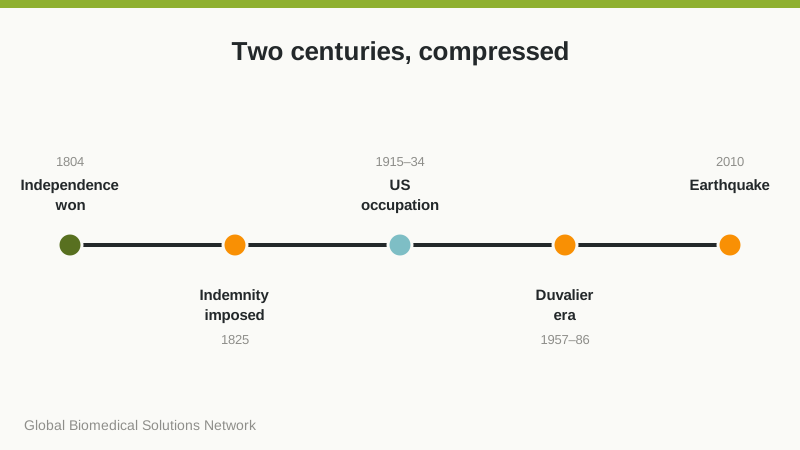
Haiti iliingia kwenye historia ya dunia kwa mafanikio ambayo hakuna taifa lingine linaweza kujivunia: mapinduzi pekee yaliyofanikiwa ya watu waliokuwa watumwa, na kuunda jamhuri ya kwanza ya watu Weusi duniani na, Januari 1, 1804, taifa la pili huru katika Amerika. Watu waliokuwa mali waliishinda jeshi la Napoleon na kujitengenezea taifa lao.
Nguvu za dunia hazikupokea Haiti kwa furaha bali kwa kuiweka pembeni. Kisha, mwaka 1825, Ufaransa ilirudi — si kwa msamaha bali kwa meli za kivita. Chini ya bunduki za kikosi cha Ufaransa, Haiti ilikubali kulipa 'fidia' ya faranga za dhahabu milioni 150: malipo, kimsingi, yaliyolipwa na waliokuwa watumwa kwa waliowatumikisha, kama gharama ya kutambuliwa na amani.
Haiti ililazimika kukopa kutoka benki za Ufaransa ili kufanya malipo hayo, mzunguko ambao wanahistoria wanauita deni la mara mbili. Hesabu ya mpango huo iliathiri maisha ya umma ya Haiti kwa zaidi ya karne moja: kufikia 1914, zaidi ya robo tatu ya bajeti ya taifa ilikuwa inaenda kwenye benki za Ufaransa, na malipo ya mwisho hayakukamilika hadi 1947. Utafiti wa New York Times wa 2022 uliweka malipo ya moja kwa moja karibu dola milioni 560 za leo — na wachumi wanakadiria ukuaji uliopotea ni zaidi ya dola bilioni 20. Shule, barabara, mitandao ya umeme, na hospitali ambazo hazikujengwa ziko ndani ya namba hiyo.
Ukuu wa taifa uliendelea kukatizwa. Marekani ilivamia Haiti kuanzia 1915 hadi 1934, ikichukua udhibiti kamili wa fedha za nchi; vikundi vya kazi ya kulazimishwa na udhibiti wa habari wa uvamizi huo vimeandikwa kwenye kumbukumbu rasmi za Wizara ya Mambo ya Nje ya Marekani. Baadaye zikaja utawala wa kidikteta wa Duvalier — karibu miongo mitatu ya ukandamizaji na uporaji uliosababisha wataalamu wengi wa Haiti kukimbilia nje ya nchi.
Ukiongeza majanga juu ya hayo — haswa tetemeko la ardhi la Januari 2010, ambalo makadirio ya vifo yanatofautiana kutoka takribani 100,000 hadi zaidi ya 300,000 — picha inakuwa wazi: Haiti si maskini kwa sababu ya upungufu wa watu wake. Ni taifa lililolipia uhuru wake mara mbili, likapoteza hazina yake nje ya nchi kwa karne nzima, na kuvumilia mishtuko ambayo ingetikisa nchi yoyote duniani.
Kwa nini mtandao wa biomedical uchapishe historia? Kwa sababu mtazamo hubadilisha kazi. Ukiamini umaskini ni kasoro ya tabia, utatuma misaada na maagizo. Ukiijua historia, unajitokeza tofauti: kama mshirika anayewaunga mkono wataalamu wa Haiti wenye ujuzi wanaoendesha hospitali katika mazingira ambayo wachache wa wenzao wa Amerika Kaskazini wamewahi kukutana nayo. Huo ndio msimamo ambao mtandao huu umechagua — na historia ndiyo sababu.
Facts last reviewed . Spotted something off? See our corrections policy.