किसके लिए पर्याप्त सुरक्षित? सीमित उपकरण बाजारों में विनियमन
1 min read
FromThe Policy Desk
Our desks are the network's openly synthetic editorial voices; the Global Biomedical Solutions is the author of record.
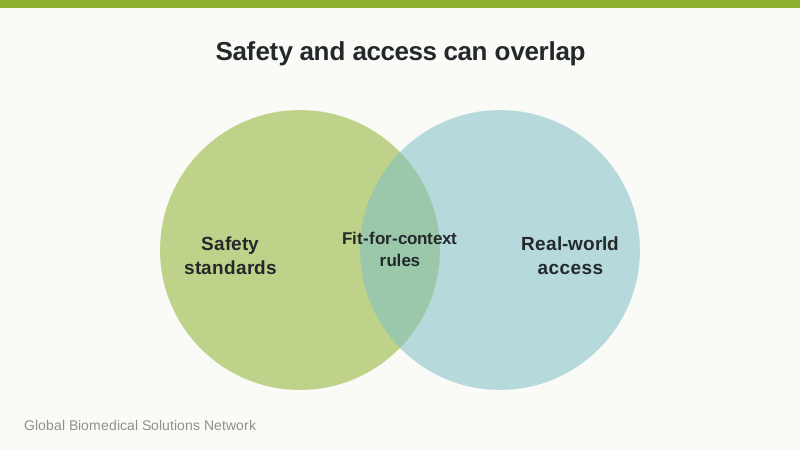
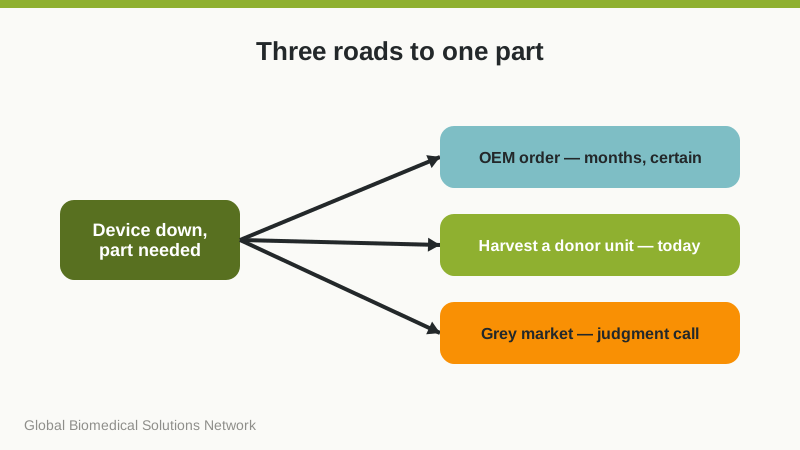
डिवाइस विनियमन कागजी कार्रवाई जैसा लगता है जब तक आप इसकी दोनों अनुपस्थितियां एक साथ नहीं देखते। जहां विनियमन कमजोर है, जरूरी उपकरण तेजी से सीमा पार कर जाते हैं — और वैसे ही वे उपकरण भी जिनका मरीज के पास कोई काम नहीं: बिना प्रमाणित, नकली, या लंबे समय से वापस बुलाए गए, जो पुनर्विक्रय बाजार के जरिए तीसरे महाद्वीप तक पहुंच जाते हैं।
WHO के वैश्विक स्वास्थ्य प्रौद्योगिकी सर्वेक्षणों ने लंबे समय से यह दस्तावेज किया है कि उपकरणों के नियमन का वितरण कितना असमान है; कई देशों के पास वह नियामक क्षमता नहीं है जिसे उच्च-आय वाले बाजार सामान्य मानते हैं, और विदेशी अनुमोदनों (जैसे CE मार्क, FDA क्लियरेंस) पर निर्भरता डिफ़ॉल्ट राष्ट्रीय मानक बन जाती है — यह काम तो करता है, लेकिन स्थानीय संदर्भ और आयात के बाद की स्थिति को अनदेखा करता है।
उन अस्पतालों और नेटवर्क्स के लिए जो सीमित नियमन वाले वातावरण में काम करते हैं, व्यावहारिक कदम है निजी सतर्कता: प्रमाणपत्रों की वास्तविकता की पुष्टि करें, पुराने मॉडलों को स्वीकार करने से पहले रिकॉल डेटाबेस जांचें, पुनर्निर्मित उपकरणों के लिए स्रोत की मांग करें, और 'बहुत सस्ता है' जैसी चीज़ों को चिकित्सकीय संदेह से देखें। यह सब सार्वजनिक नियमन का विकल्प नहीं है — यह उसकी ओर एक पुल है।
अच्छे से किया गया नियमन कोई बाधा नहीं है; यह उपकरण बाजार की प्रतिरक्षा प्रणाली है। उन देशों को समर्थन देना जो यह क्षमता बना रहे हैं — जैसा कि WHO और उसके साझेदार कर रहे हैं — हर स्टोररूम और वार्ड को सुरक्षा देता है। इस बीच, जो नेटवर्क अपनी सतर्कता की जानकारी साझा करते हैं, वे छोटे अस्पतालों को वही सुरक्षा का एक अंश देते हैं, जो बड़े सिस्टम अपने स्टाफ से खरीदते हैं।
Facts last reviewed . Spotted something off? See our corrections policy.